Browsing Durban
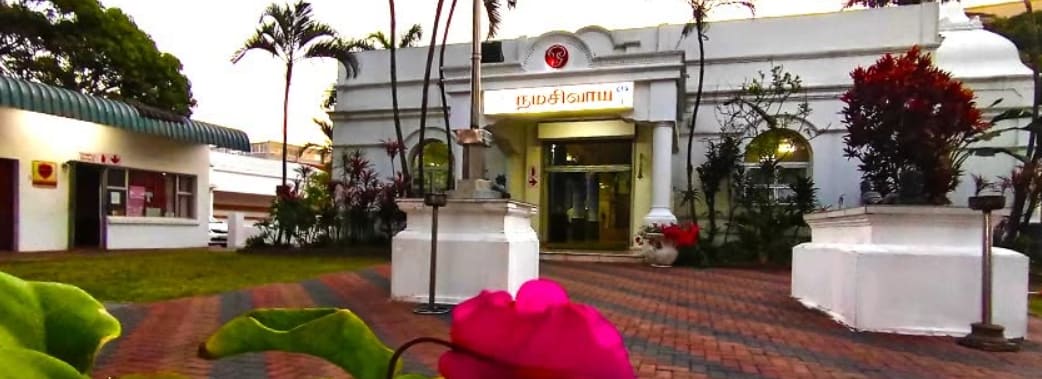
Shree Vaithianatha Easvarar Alayam
A sacred sanctuary for South Indian Hindu traditions in Durban, serving the community with devotion and cultural heritage for over a century.
No listings yet
This business has no public listings active at the moment.
Details
About
Shree Vaithianatha Easvarar Alayam, affectionately known as the Umgeni Road Temple, stands as one of the largest and most historically significant Hindu temples in the southern hemisphere. Founded in 1889 on land generously donated by two prominent Tamil goldsmiths, the temple began as a modest wood and iron structure dedicated to Lord Shiva. Over the decades, it evolved to embrace the three main sects of Hinduism, housing shrines for Saivism, Vaishnavism, and Sakthism, with the revered deity Marieamman. Through successive renovations in the late nineteenth and early twentieth centuries, the temple has grown into a magnificent spiritual landmark that honours the rich Tamil heritage brought to South Africa by indentured labourers and their descendants. The temple offers a comprehensive range of spiritual services including daily abishegam, naivedhya, and traditional prayer festivals observed according to the Hindu almanac. Devotees can participate in sacred rituals such as kavady, havan ceremonies, and life milestone blessings including car prayers, book opening ceremonies, and coming-of-age celebrations. The temple provides spiritual guidance through its dedicated priests and guru, who offer counsel on auspicious days and prayer practices. Cultural and educational programmes help preserve and transmit South Indian Hindu traditions to younger generations, ensuring the continuity of ancestral practices in the South African context. For generations of Indian families in Durban and across KwaZulu-Natal, Shree Vaithianatha Easvarar Alayam has been far more than a place of worship—it is a living repository of cultural memory, a sanctuary where prayers have been lovingly held for over a century. The temple serves as a vital spiritual anchor for the South African Tamil and broader Hindu community, maintaining the sacred bond with India through tradition, ritual, and devotion. Whether devotees come for daily worship, festival celebrations, or life's significant milestones, these hallowed walls continue to nurture faith, preserve heritage, and provide a profound sense of belonging for Indians living far from their ancestral homeland.
No offers here yet.
Follow Shree Vaithianatha Easvarar Alayam and you will see them as soon as they are posted.
Browse places